
Brain Cancer Treatment
Comprehensive diagnosis, personalized care, and advanced therapies by Dr. Manish Singhal.
Understanding Brain Cancer
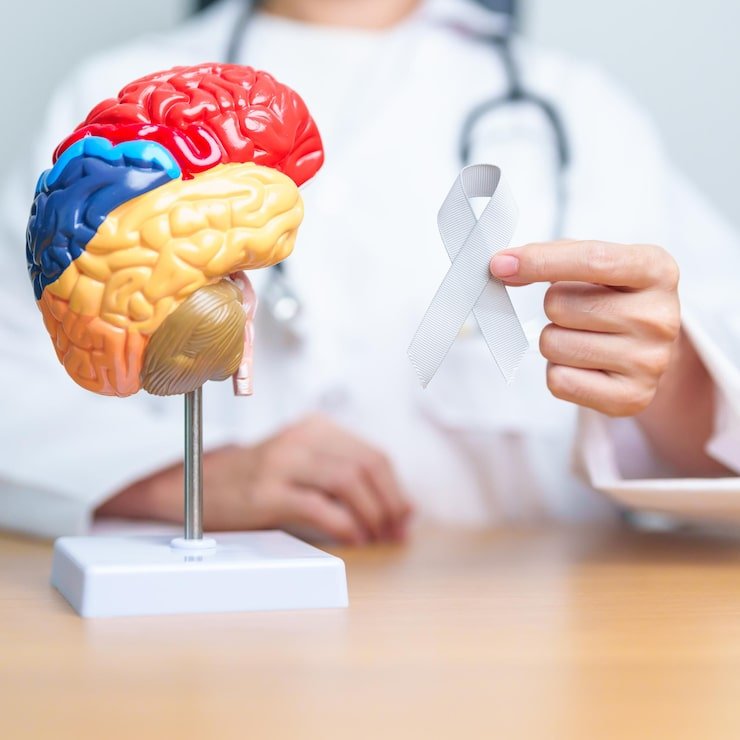
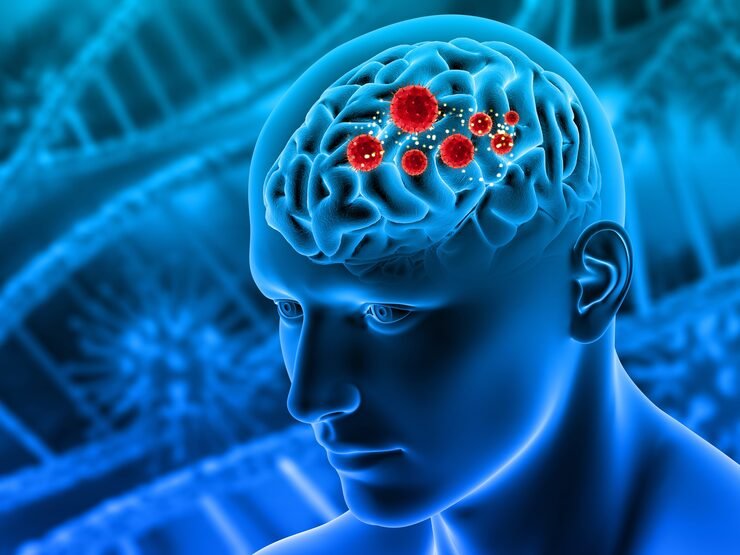
Cerebrum tumor is an ailment of the mind in which cancer cells emerge in the brain tissue. Cancer cells develop to frame a mass of cancer tissue (tumor) that meddles with brain capacities, for example, muscle control, sensation, memory, and other typical body capacities. Tumors made out of cancer cells are called threatening tumors, and those made out of primarily noncancerous cells are called favorable tumors. Cancer cells that create from brain tissue are called essential brain tumors while tumors that spread from other body destinations to the mind are named metastatic or secondary brain tumors.
Reports propose that brain tumor happens rarely (1.4% of all new disease patients every year), so it isn’t thought to be a typical ailment and is probably going to create in around 23,770 new individuals for each year with around 16,050 deaths as assessed by cancer reports. Just around 5% of brain tumors might be because of inherited hereditary conditions, for example, neurofibromatosis, tuberous sclerosis, and a couple of others.
The treatment options for brain cancer or brain tumor have come a long way, bringing the 5-year survival rate to almost 36%. The Covid-19 pandemic has instilled fear and confusion among cancer patients regarding how to keep the treatment going through the pandemic, but missing treatment might not be the best option for most people. So, the best Oncologist in Noida and renowned cancer treatment doctor in Delhi NCR and, Dr. Manish Singhal and his team have found a solution to the looming problem, chemotherapy at home, video consultations, patient check-ins through calls, and more.
What Causes Brain Cancer?
Knowing the root causes helps in better prevention and early intervention.

Genetic mutations
Inherited genetic conditions can cause abnormal brain cell growth, leading to tumors. People with a family history of brain cancer or syndromes are at higher risk.
Radiation
High doses of ionizing radiation — often from previous cancer treatments or environmental exposure — can damage brain tissue and trigger cancerous cell changes over time.
Lifestyle Factors
Though less common, exposure to harmful chemicals, long-term contact with pesticides, or heavy use of mobile phones (still debated) may contribute to increased risk in some individuals.
Genetic mutations
Inherited genetic conditions can cause abnormal brain cell growth, leading to tumors. People with a family history of brain cancer or syndromes are at higher risk.

Radiation
High doses of ionizing radiation — often from previous cancer treatments or environmental exposure — can damage brain tissue and trigger cancerous cell changes over time.

Lifestyle Factors
Though less common, exposure to harmful chemicals, long-term contact with pesticides, or heavy use of mobile phones (still debated) may contribute to increased risk in some individuals.

Common Signs & Symptoms
Know the common indicators that should never be ignored.
Individuals with a brain tumor may encounter the following symptoms, as stated by a brain cancer doctor in Noida. Once in a while, individuals with a brain tumor don’t have any of these changes. Or on the other hand, the reason for a side effect might be an alternate medicinal condition that isn’t a brain tumor. Symptoms of a brain tumor can be general or particular. A general side effect is caused by the weight of the tumor on the brain or spinal cord. Particular side effects are caused when a particular piece of the mind isn’t functioning admirably in light of the tumor. For some individuals with a brain tumor, they were analyzed when they went to the specialist in the wake of encountering an issue, for example, a migraine or different changes.
Memory changes
Patients may notice confusion, or difficulty concentrating as the tumor affects regions of the brain responsible for thinking and memory.
Vomiting
Persistent nausea or vomiting, especially in the morning, can occur due to increased pressure inside the skull caused by the growing tumor.
Weakness
Tumor pressure on specific areas of the brain can affect muscle control, causing weakness or numbness in parts of the body, often on just one side.
Sleep issues
Brain tumors can disrupt normal brain activity, leading to difficulty falling or staying asleep. Many patients experience unusual sleep cycles despite resting.
Memory changes
Patients may notice confusion, or difficulty concentrating as the tumor affects regions of the brain responsible for thinking and memory.
Vomiting
Persistent nausea or vomiting, especially in the morning, can occur due to increased pressure inside the skull caused by the growing tumor.
Weakness
Tumor pressure on specific areas of the brain can affect muscle control, causing weakness or numbness in parts of the body, often on just one side.
Sleep issues
Brain tumors can disrupt normal brain activity, leading to difficulty falling or staying asleep. Many patients experience unusual sleep cycles despite resting.
Staging for Brain Cancer
Understanding how brain cancer is classified helps determine the right treatment and predict outcomes.
At this stage, the tumor cells grow slowly and closely resemble normal brain cells. They are usually confined to one area of the brain and may be removable through surgery. Symptoms are often mild or go unnoticed.
The tumor begins to grow more aggressively and may invade nearby brain tissue. Though still considered “low grade,” it can become more difficult to remove completely. Regular monitoring and treatment are essential to prevent progression.
The cancer cells are actively dividing and spreading into nearby brain regions. The tumor grows faster, and symptoms such as headaches, weakness, or seizures become more noticeable. Treatment typically involves surgery followed by radiation or chemotherapy.
This is the most aggressive form, often referred to as glioblastoma multiforme (GBM). The cancer spreads rapidly to different parts of the brain and sometimes the spinal cord. Treatment focuses on slowing tumor growth, managing symptoms, and improving quality of life.
How Brain Cancer is Diagnosed?
Modern diagnostic tools enable early detection and better treatment planning.
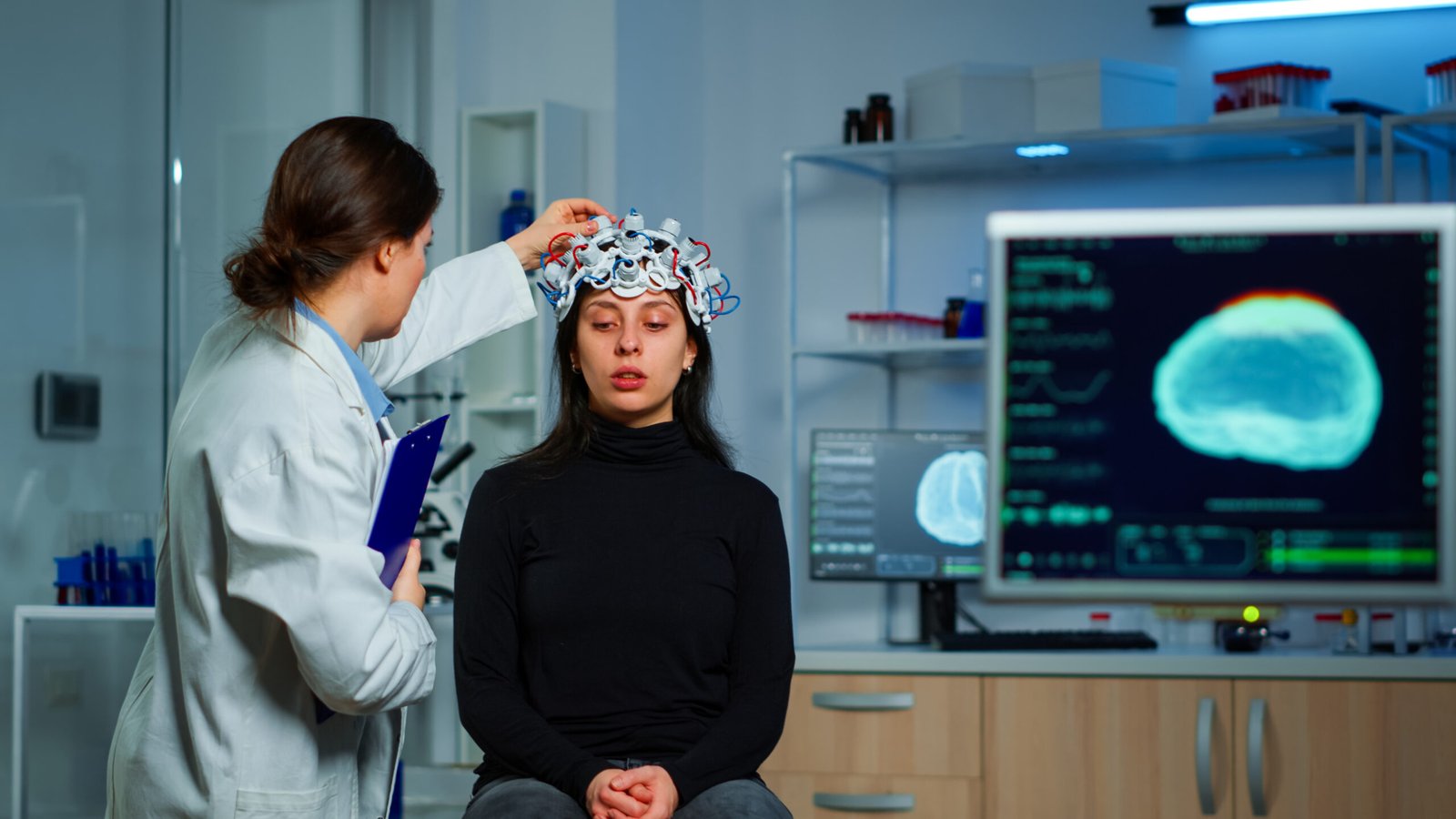
MRI
CT SCAN
PET or PET-CT SCAN
BIOPSY
MRI
CT SCAN
PET or PET-CT SCAN
BIOPSY
Advanced Treatments for Brain Cancer
Cutting-edge treatments offering renewed hope and longer, healthier lives.
The treatment procedure depends on several factors, which include the type, stage, grade and also the symptoms and the patient’s overall health. The doctor will go through everything related to your health, be it your health history or your present health and will recommend the treatment accordingly.
Below are some tests and procedures which will be a part of your treatment.
Radiation therapy utilizes high-vitality beams, for example, X-rays or protons, to murder tumor cells. Radiation treatment can originate from a machine outside your body (outer pillar radiation), or, in extremely uncommon cases, radiation can be put inside your body near your brain tumor (brachytherapy).
Stereotactic radiosurgery isn’t a type of medical procedure in the customary sense. Rather, radiosurgery utilizes various light emissions to give an exceedingly engaged type of radiation treatment to execute the tumor cells in a little territory. Each light emission isn’t especially intense, yet the point where every one of the shafts meets at the brain tumor gets a substantial dosage of radiation to kill the tumor cells.
If a brain tumor is situated in a place that makes it open for an operation, your specialist will work to expel however much of the brain tumor as could reasonably be expected. Sometimes, tumors are little and simple to isolate from encompassing brain tissue, which makes finish careful expulsion conceivable. In different cases, tumors can’t be isolated from encompassing tissue or they’re situated close to touchy regions in your brain, making medical procedure dangerous. In these circumstances, your specialist expels as a significant part of the tumor as is protected. Even evacuating a bit of the cerebrum tumor may help decrease your signs and manifestations.
Chemotherapy utilizes medications to execute tumor cells. Chemotherapy medications can be taken orally in pill frames or infused into a vein (intravenously). The chemotherapy drug utilized frequently to treat mind tumors is temozolomide (Temodar), which is taken as a pill. Numerous other chemotherapy drugs are accessible and might be utilized relying upon the kind of cancer.
Patient Success Stories
Inspiring stories from patients who fought cancer and won.
What are the early signs of brain cancer?
Early signs can include persistent headaches, vision problems, balance issues, weakness, or sudden changes in memory or behavior. These symptoms vary depending on the tumor’s location in the brain.
Can brain cancer be cured?
Some brain cancers, especially low-grade or early-stage tumors, can be treated successfully through surgery, radiation, and medication. However, high-grade cancers like glioblastoma are harder to cure and require long-term management.
How is brain cancer diagnosed?
Diagnosis involves a combination of imaging tests like MRI, CT, and PET scans, along with a biopsy to confirm the exact tumor type and grade.
What is the survival rate for brain cancer?
Survival rates depend on the tumor’s type, grade, and how early it’s detected. With modern treatments and advanced care, many patients live longer with a good quality of life.