
Introduction
Brain cancer is a serious medical condition that occurs when abnormal cells grow uncontrollably in the brain. These cancerous cells can damage healthy brain tissue and interfere with essential brain functions. A brain cancer diagnosis can feel overwhelming, but understanding the condition, its symptoms, and available treatments can help patients and families make informed decisions.
What Is Brain Cancer?
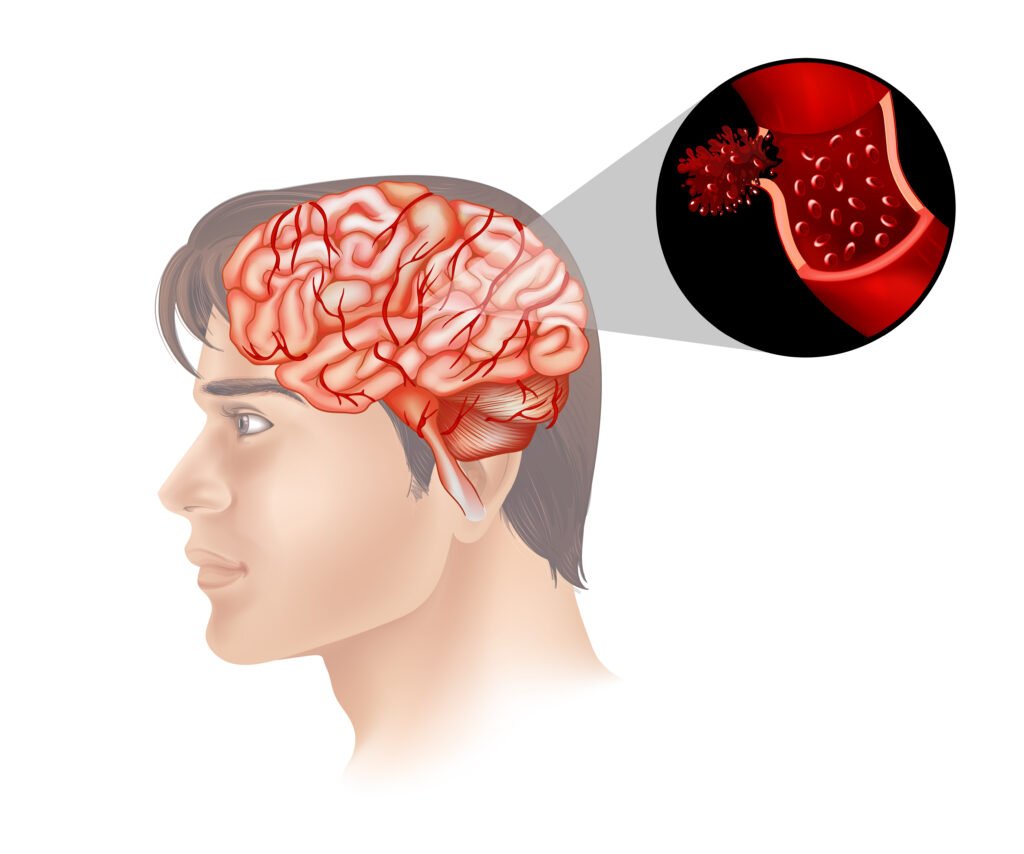
Brain cancer develops when abnormal cells form a tumor within the brain. These tumors may originate in the brain itself (primary brain tumors) or spread from cancer in other parts of the body (secondary or metastatic brain tumors).
Not all brain tumors are cancerous. Some are benign (non-cancerous) and grow slowly, while others are malignant (cancerous) and can grow rapidly, requiring immediate medical attention.
Common Types of Brain Cancer
Gliomas
Gliomas develop from glial cells, which support and protect nerve cells in the brain. They are among the most common brain tumors.
Glioblastoma
Glioblastoma is an aggressive and fast-growing type of brain cancer that requires prompt treatment.
Astrocytomas
These tumors arise from star-shaped brain cells called astrocytes and may range from slow-growing to highly aggressive.
Meningiomas
Meningiomas develop in the protective membranes surrounding the brain and spinal cord. Most are non-cancerous.
Medulloblastomas
These tumors commonly occur in children and typically develop in the lower region of the brain.
What Causes Brain Cancer?
The exact cause of brain cancer is often unknown. However, several factors may increase the risk:
- Exposure to Radiation: Previous radiation treatments may increase the likelihood of developing brain tumors.
- Genetic Factors: Certain inherited genetic conditions can increase risk.
- Family History: Individuals with a family history of brain tumors may have a slightly higher risk.
- Weakened Immune System: Reduced immune function may contribute to cancer development.
- Age: Some forms of brain cancer occur more frequently in older adults.
It's important to note that many people diagnosed with brain cancer have no identifiable risk factors.
Signs and Symptoms of Brain Cancer
Symptoms vary depending on the tumor’s size, location, and growth rate. Common symptoms include:
- Persistent Headaches – Headaches that become more frequent or severe over time.
- Seizures – New or unexplained seizures can be a warning sign.
- Nausea and Vomiting – Often accompanied by headaches.
- Vision Problems – Blurred vision, double vision, or loss of vision.
- Speech Difficulties – Trouble speaking or finding the right words.
- Memory Problems – Difficulty remembering information or concentrating.
- Weakness or Numbness – Especially on one side of the body.
- Balance and Walking Issues – Dizziness or loss of coordination.
- Mood or Personality Changes – Behavioral changes caused by pressure on specific brain areas.
When Should You See a Doctor?
Many of these symptoms can also be caused by less serious conditions, but a medical evaluation is essential to determine the underlying cause.
How Is Brain Cancer Diagnosed?
Doctors use several tests and examinations to diagnose brain cancer:
- Medical History and Physical Examination – Evaluating symptoms and overall health.
- MRI Scan – Produces detailed images of the brain.
- CT Scan – Helps identify abnormalities and tumor location.
- Biopsy – A sample of tumor tissue is examined under a microscope.
- Additional Laboratory Tests – Used to determine tumor type and guide treatment decisions.
Treatment Options for Brain Cancer
1. Surgery
Surgery is often the first treatment option when the tumor can be safely removed.
- Removes as much of the tumor as possible.
- Helps identify the exact tumor type.
- Can reduce symptoms caused by pressure on the brain.
2. Radiation Therapy
Radiation therapy uses high-energy beams to destroy cancer cells and may be used after surgery or when surgery is not possible.
3. Chemotherapy
Chemotherapy uses medications to kill cancer cells. It may be administered orally or combined with radiation therapy.
4. Targeted Therapy
Targeted therapy focuses on specific features of cancer cells, often resulting in fewer side effects than traditional treatments.
5. Immunotherapy
Immunotherapy helps the body's immune system recognize and attack cancer cells. Research in this area continues to advance.
6. Rehabilitation and Supportive Care
Many patients benefit from rehabilitation services following treatment, including:
- Physical Therapy
- Speech Therapy
- Occupational Therapy
- Counseling and Emotional Support
Living With Brain Cancer
A brain cancer diagnosis can affect patients and their loved ones emotionally, physically, and financially. Ongoing support and healthy lifestyle habits can improve quality of life.
- Follow your prescribed treatment plan.
- Attend all follow-up appointments.
- Maintain a nutritious diet.
- Stay physically active when possible.
- Discuss emotional concerns openly.
- Join a support group for guidance and encouragement.
Importance of Early Diagnosis
Early detection of brain cancer can improve treatment outcomes and quality of life. Advances in medical technology, surgical techniques, radiation therapy, and targeted treatments continue to provide new hope for patients.
If you or someone you know experiences symptoms that may indicate a brain tumor, consult a neurologist, neurosurgeon, or oncology specialist for a comprehensive evaluation.
Frequently Asked Questions (FAQs)
1. What are the first signs of brain cancer?
Common early signs include persistent headaches, seizures, vision problems, memory difficulties, and balance issues.
2. Are all brain tumors cancerous?
No. Some brain tumors are benign (non-cancerous), while others are malignant (cancerous).
3. Can brain cancer be cured?
Treatment outcomes depend on the type, location, and stage of the cancer. Some brain tumors can be successfully treated or controlled.
4. How do doctors diagnose brain cancer?
Diagnosis typically involves neurological examinations, MRI scans, CT scans, and sometimes a biopsy.
5. What are the most common treatments for brain cancer?
Common treatments include surgery, radiation therapy, chemotherapy, targeted therapy, immunotherapy, or a combination of these approaches.
6. When should I see a doctor about brain cancer symptoms?
Seek medical advice if you experience persistent headaches, seizures, unexplained vision changes, speech difficulties, weakness, or other symptoms that do not improve.