
Introduction
Whipple surgery, also known as pancreaticoduodenectomy, is one of the most complex yet effective surgical procedures used in the treatment of pancreatic conditions. It is primarily performed to treat pancreatic cancer, especially when the tumor is located in the head of the pancreas. With advancements in medical science and surgical techniques, this procedure has significantly improved survival rates and quality of life for patients.
Understanding when and why this surgery is recommended can help patients make informed decisions about their treatment journey.
What is Whipple Surgery?
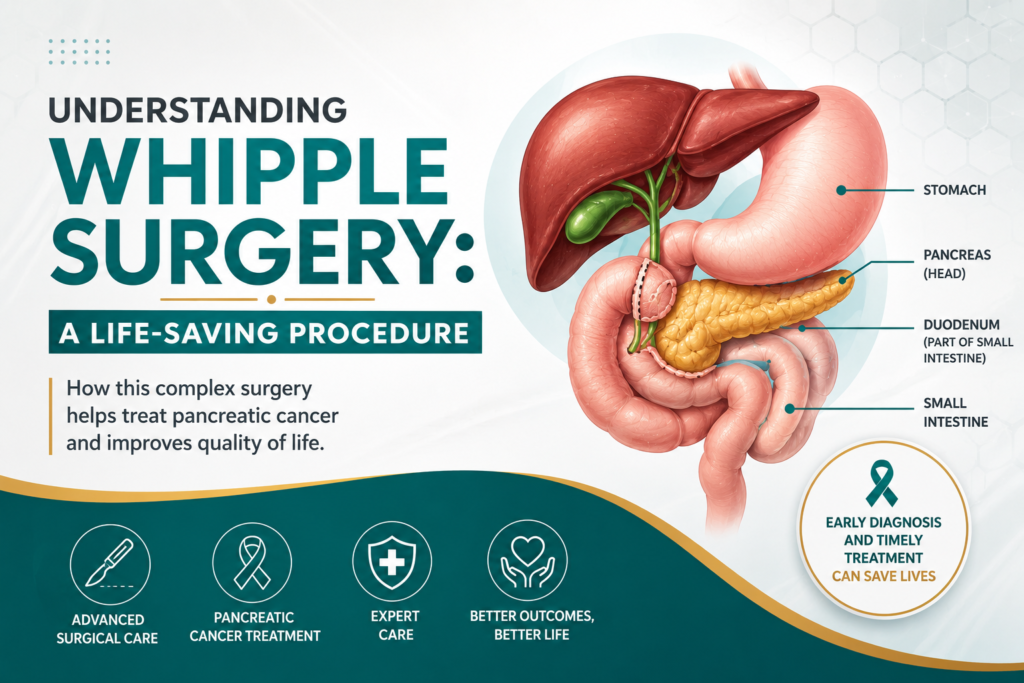
Whipple surgery involves the removal of the head of the pancreas, a portion of the small intestine (duodenum), the gallbladder, and sometimes part of the stomach. After removing these structures, the surgeon reconstructs the digestive tract to allow normal digestion.
This procedure is most commonly recommended for patients diagnosed with early-stage pancreatic cancer where the tumor has not spread extensively to surrounding organs or blood vessels.
Why is Whipple Surgery Performed?
Whipple surgery is primarily used to treat cancers and conditions affecting the pancreas and nearby organs. These include:
- Tumors in the head of the pancreas
- Cancer of the bile duct
- Ampullary cancer
- Certain cases of chronic pancreatitis
- Benign tumors causing obstruction
Early diagnosis plays a crucial role in determining whether a patient is eligible for surgery. Consulting an experienced Oncologist in Noida can help assess the stage of the disease and the best possible treatment approach.
Procedure Overview
Whipple surgery is a highly intricate operation that typically takes 5 to 8 hours. It is performed under general anesthesia and involves three main steps:
1. Removal PhaseThe surgeon removes the affected portions of the pancreas and surrounding organs.
2. Reconstruction PhaseThe remaining pancreas, bile duct, and stomach are reconnected to the small intestine to restore digestive function.
3. Recovery PhasePatients are monitored closely in the hospital, usually for 1–2 weeks, depending on their condition and recovery speed.
Who is Eligible for Whipple Surgery?
Not all patients diagnosed with pancreatic cancer are candidates for this procedure. Eligibility depends on several factors:
- Tumor size and location
- Absence of distant metastasis
- Overall health and fitness of the patient
- Involvement of nearby blood vessels
A thorough evaluation by an experienced Oncologist in Noida is essential to determine whether surgery is a viable option.
Benefits of Whipple Surgery
- Potentially curative for early-stage pancreatic cancer
- Relief from symptoms like jaundice and digestive issues
- Improved survival rates
- Better quality of life when combined with other treatments
Risks and Complications
Like any major surgery, Whipple surgery carries certain risks. These may include:
- Infection
- Bleeding
- Delayed gastric emptying
- Leakage from surgical connections
- Diabetes due to reduced pancreatic function
However, with experienced surgical teams and modern healthcare facilities, the risk of complications has significantly reduced.
Recovery and Post-Surgery Care
Recovery from Whipple surgery requires patience and proper care. Patients may take several weeks to months to fully regain strength. Post-operative care includes:
- Nutritional support with a specialized diet
- Pain management
- Regular follow-ups and imaging tests
- Monitoring for complications
In many cases, additional treatments such as chemotherapy or radiation therapy may be recommended after surgery to reduce the risk of recurrence.
Importance of Early Detection
Pancreatic cancer is often diagnosed at an advanced stage due to its subtle symptoms. Early signs may include:
- Unexplained weight loss
- Abdominal pain
- Jaundice
- Loss of appetite
- Fatigue
Recognizing these symptoms early and seeking medical advice can increase the chances of successful treatment through procedures like Whipple surgery.
Choosing the Right Specialist
Selecting a skilled and experienced specialist is crucial for successful outcomes. A qualified Oncologist in Noida can guide patients through diagnosis, treatment planning, and recovery. Multidisciplinary care involving surgeons, oncologists, nutritionists, and support staff ensures comprehensive treatment.
Conclusion
Whipple surgery remains one of the most effective treatment options for patients diagnosed with pancreatic cancer in its early stages. Although it is a complex procedure, advancements in surgical techniques and post-operative care have made it safer and more successful than ever before.
Timely diagnosis, proper evaluation, and expert medical care play a vital role in improving outcomes. If you or your loved one is facing pancreatic issues, consulting a specialist can help determine the best course of action.
Frequently Asked Questions
1. What is the success rate of Whipple surgery?The success rate depends on the stage of pancreatic cancer and the patient’s overall health. Early-stage cases have significantly better outcomes.
2. How long does it take to recover from Whipple surgery?Recovery typically takes 6 to 8 weeks, but full recovery may take a few months depending on individual health conditions.
3. Is Whipple surgery painful?Post-surgical discomfort is common, but it is managed effectively with medications and proper care.
4. Can pancreatic cancer return after Whipple surgery?Yes, there is a possibility of recurrence, which is why follow-up treatments like chemotherapy are often recommended.
5. What diet should be followed after surgery?Patients are usually advised to follow a low-fat, easily digestible diet with small, frequent meals to support recovery.