Introduction
Brain cancer is a serious medical condition. It happens when bad cells start growing out of control in the brain. This can hurt the parts of the brain and cause problems. When someone gets diagnosed with brain cancer it can be very scary. If people know what to expect and understand what is happening, they can feel more in control. Thanks to medical technology, this blog post will explain what brain cancer is, what causes it, what the symptoms are and how it is treated. We will talk about brain cancer in a way that's easy to understand.
What Is Brain Cancer?
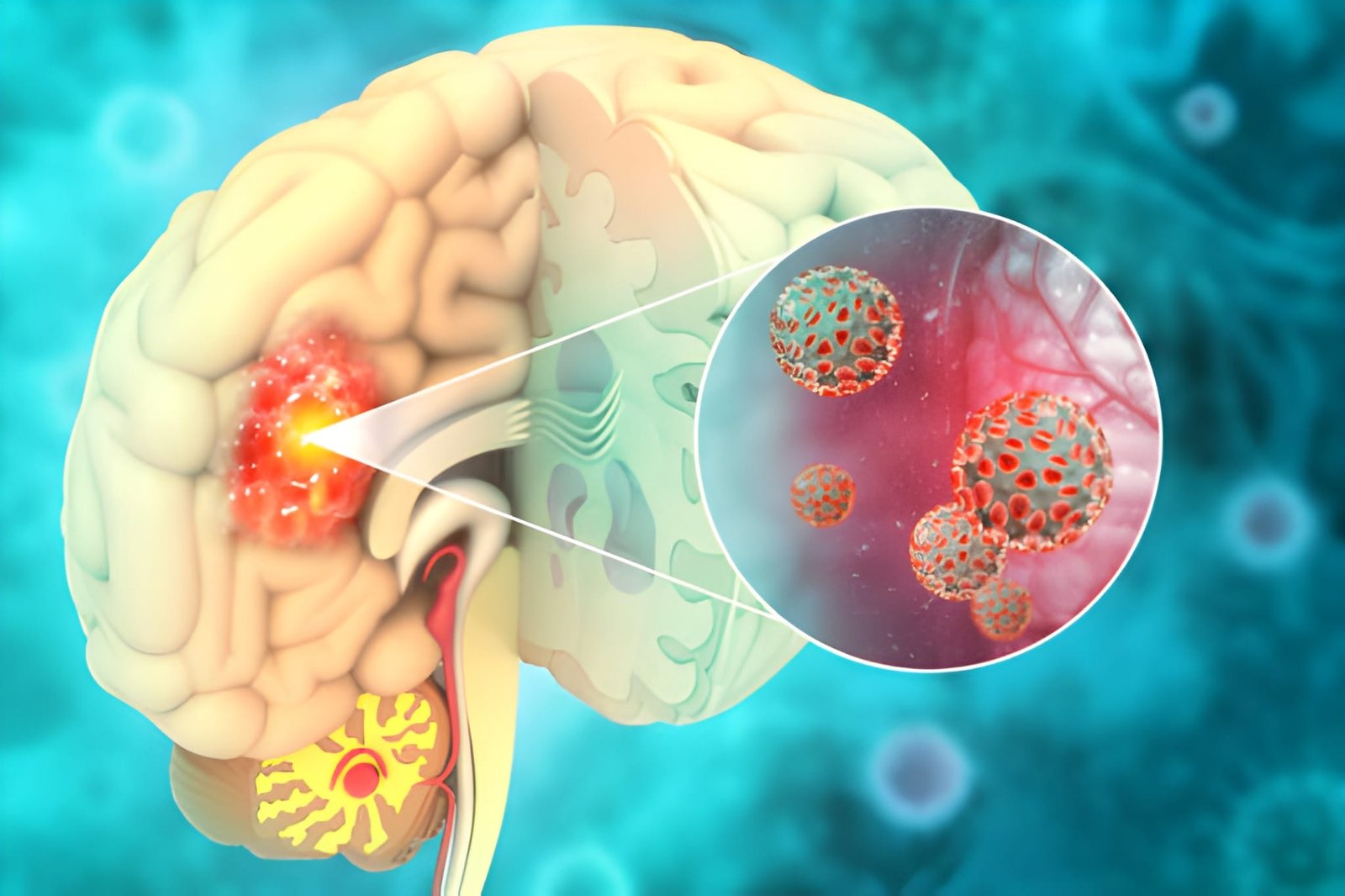
Brain cancer develops when abnormal cells form tumors in the brain. These tumors may originate in the brain (primary brain tumors) or spread from cancers in other parts of the body (secondary or metastatic brain tumors). Not all brain tumors are cancerous. Some are benign and grow slowly, while malignant tumors can grow rapidly and invade nearby brain tissue.
Common Types of Brain Cancer
Gliomas
One of the most common types of brain tumors, arising from supportive brain cells called glial cells.
Glioblastoma
An aggressive and fast-growing form of glioma that requires prompt treatment.
Astrocytomas
Tumors that develop from star-shaped brain cells called astrocytes and may range from low-grade to high-grade cancers.
Meningiomas
These tumors develop in the membranes surrounding the brain and spinal cord. Most are non-cancerous but may still require treatment.
Medulloblastomas
More commonly seen in children and typically develop in the lower part of the brain.
What Causes Brain Cancer?
The exact cause of brain cancer is often unknown. However, several factors may increase the risk:
- Exposure to high doses of radiation
- Inherited genetic conditions
- Family history of brain tumors
- Weakened immune system
- Increasing age
It is important to remember that many people diagnosed with brain cancer have no identifiable risk factors.
Signs and Symptoms of Brain Cancer
- Persistent Headaches: Frequent headaches that worsen over time.
- Seizures: New-onset seizures can be an important warning sign.
- Nausea and Vomiting: Especially when accompanied by headaches.
- Vision Problems: Blurred vision, double vision, or loss of vision.
- Speech Difficulties: Trouble speaking or finding the right words.
- Memory Problems: Difficulty remembering information or concentrating.
- Weakness or Numbness: Particularly on one side of the body.
- Balance Issues: Difficulty walking or maintaining coordination.
- Mood and Personality Changes: Changes in behavior, emotions, or personality.
When Should You See a Doctor?
Seek medical attention if you experience:
- Persistent or worsening headaches
- Seizures
- Vision changes
- Speech difficulties
- Memory loss or confusion
- Weakness or numbness in the body
While these symptoms can be caused by other conditions, a medical evaluation is essential for proper diagnosis.
How Is Brain Cancer Diagnosed?
- Medical History and Physical Examination
- MRI Scan: Provides detailed images of the brain.
- CT Scan: Helps identify abnormalities in brain structures.
- Biopsy: A tissue sample is examined under a microscope.
- Molecular and Genetic Testing: Helps determine the most effective treatment plan.
Treatment Options for Brain Cancer
1. Surgery
Surgery is often the first treatment option when the tumor can be safely removed.
- Removes as much of the tumor as possible
- Provides tissue for diagnosis
- May relieve symptoms caused by pressure on the brain
2. Radiation Therapy
Radiation uses high-energy beams to destroy cancer cells and is often used after surgery or when surgery is not possible.
3. Chemotherapy
Chemotherapy uses medications to kill cancer cells and may be given alone or alongside radiation therapy.
4. Targeted Therapy
Targeted treatments focus on specific abnormalities within cancer cells and may reduce damage to healthy tissue.
5. Immunotherapy
Immunotherapy helps the body's immune system recognize and attack cancer cells. Research in this area continues to expand.
6. Rehabilitation and Supportive Care
- Physical therapy
- Speech therapy
- Occupational therapy
- Psychological counseling
Living With Brain Cancer
A brain cancer diagnosis affects both patients and their families. Helpful strategies include:
- Following the prescribed treatment plan
- Attending regular follow-up appointments
- Maintaining a healthy diet
- Staying physically active when possible
- Seeking emotional support
- Joining patient support groups
Importance of Early Diagnosis
Early detection plays a crucial role in improving treatment outcomes and quality of life. Advances in neurosurgery, radiation therapy, targeted therapy, and immunotherapy continue to improve survival rates and treatment effectiveness for many patients with brain cancer.
Conclusion
Brain cancer is a complex condition, but understanding its symptoms, causes, and treatment options can help patients and families navigate the journey with confidence. If you experience persistent neurological symptoms such as headaches, seizures, vision changes, or weakness, consult a healthcare professional promptly. Early diagnosis and personalized treatment can make a significant difference in outcomes and quality of life.
FAQs
1. What are the first signs of brain cancer?
Common early signs include persistent headaches, seizures, vision changes, memory problems, and difficulty with balance.
2. Are all brain tumors cancerous?
No. Some brain tumors are benign (non-cancerous), while others are malignant (cancerous).
3. Can brain cancer be cured?
Treatment success depends on the tumor type, location, and stage. Some tumors can be successfully treated or controlled.
4. How is brain cancer diagnosed?
Doctors use neurological exams, MRI scans, CT scans, biopsies, and advanced laboratory testing.
5. What treatments are available for brain cancer?
Treatment options include surgery, radiation therapy, chemotherapy, targeted therapy, immunotherapy, and rehabilitation services.
6. When should I consult a doctor?
You should seek medical attention if you experience persistent headaches, seizures, unexplained vision changes, weakness, numbness, or other concerning neurological symptoms.