Introduction
A cancer diagnosis can be overwhelming, but timely diagnosis, advanced treatment and proper follow-up care can significantly improve outcomes and quality of life. Stomach cancer, also known as gastric cancer, is one of the most common cancers affecting the digestive system. While it can be serious, advances in medical science have made treatment more effective than ever before.
Equally important is cancer survivorship care, which focuses on helping patients recover physically, emotionally and mentally after treatment. Recovery does not end once chemotherapy, surgery or radiation is completed, it is a lifelong journey that requires expert guidance.
If you are searching for stomach cancer treatment in Noida , understanding the disease, available treatment options and the importance of long-term survivorship care can help you make informed decisions for yourself or your loved one.
What Is Stomach Cancer?
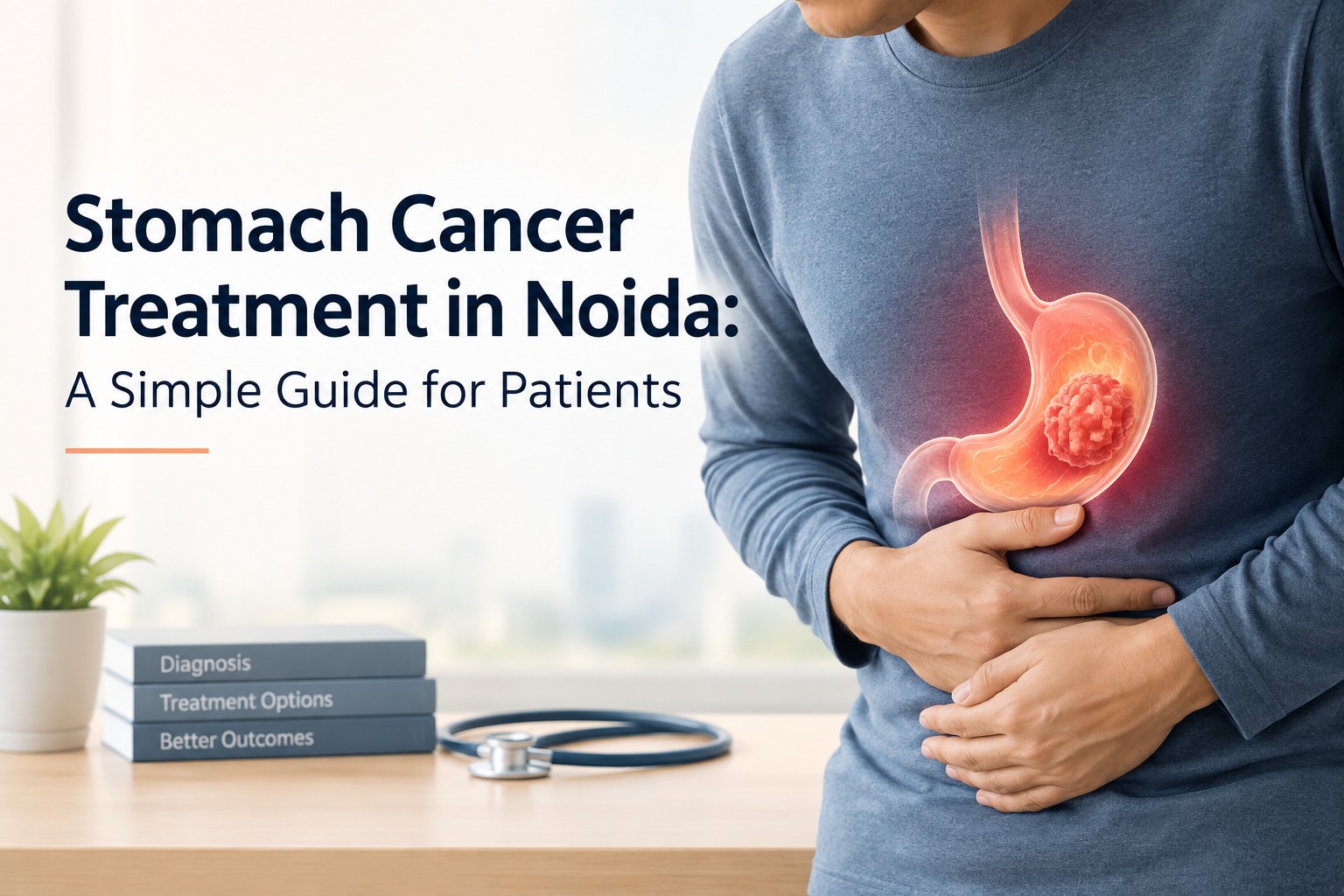
Stomach cancer develops when abnormal cells grow uncontrollably in the lining of the stomach. Over time, these cells can invade nearby tissues or spread to other parts of the body if left untreated.
Although stomach cancer is more common in older adults, it can affect younger individuals as well. Early detection offers the best chance for successful treatment.
Common Symptoms of Stomach Cancer
Many patients do not experience noticeable symptoms during the early stages. As the disease progresses, symptoms may include:
- Persistent stomach pain or discomfort
- Indigestion that doesn't improve
- Frequent bloating after meals
- Loss of appetite
- Unexplained weight loss
- Nausea or vomiting
- Difficulty swallowing
- Feeling full after eating small amounts
- Fatigue and weakness
- Blood in stools or black stools
Since these symptoms may resemble common digestive disorders, they should never be ignored if they persist for more than two weeks.
What Causes Stomach Cancer?
Several factors can increase the risk of developing stomach cancer.
1. Helicobacter pylori (H. pylori) Infection
A long-term bacterial infection is one of the leading risk factors.
2. Smoking
Smoking significantly increases the risk of stomach cancer.
3. Poor Diet
Regular consumption of smoked, salted and processed foods may contribute to the disease.
4. Family History
People with close relatives diagnosed with stomach cancer may have a higher risk.
5. Obesity
Excess body weight has been linked to several cancers, including stomach cancer.
6. Chronic Gastritis
Long-standing inflammation of the stomach lining can increase cancer risk.
7. Previous Stomach Surgery
Some patients who have undergone stomach surgery may have a slightly higher risk later in life.
When Should You See a Cancer Specialist?
Consult an oncology specialist immediately if you experience:
- Persistent stomach pain
- Continuous weight loss
- Difficulty eating
- Blood in vomit or stools
- Chronic indigestion
- Persistent vomiting
- Severe weakness
Early diagnosis can make treatment more effective and improve survival rates.
How Is Stomach Cancer Diagnosed?
Modern diagnostic techniques help determine the stage and extent of cancer.
Common investigations include:
Upper GI Endoscopy
A flexible camera examines the inside of the stomach and allows tissue sampling.
Biopsy
A small tissue sample confirms whether cancer cells are present.
CT Scan
Helps determine whether cancer has spread.
PET-CT Scan
Provides detailed information about cancer activity throughout the body.
Blood Tests
Assess overall health and organ function before treatment.
Endoscopic Ultrasound (EUS)
Helps evaluate tumour depth and nearby lymph nodes.
Stomach Cancer Treatment in Noida
Choosing the right treatment depends on several factors, including:
- Cancer stage
- Tumour size
- Overall health
- Age
- Presence of metastasis
A multidisciplinary approach provides the best outcomes.
1. Surgery
Surgery remains one of the most effective treatments for early-stage stomach cancer.
Procedures may include:
- Partial gastrectomy
- Total gastrectomy
- Lymph node removal
Minimally invasive and laparoscopic techniques often result in faster recovery and reduced pain.
2. Chemotherapy
Chemotherapy uses medicines to destroy cancer cells.
It may be recommended:
- Before surgery
- After surgery
- For advanced cancer
- To reduce recurrence risk
3. Targeted Therapy
Certain stomach cancers have specific genetic markers that respond to targeted medicines. These treatments attack cancer cells while causing less damage to healthy tissues.
4. Immunotherapy
Immunotherapy helps strengthen the body's immune system to fight cancer. It is especially beneficial for selected patients with advanced stomach cancer.
5. Radiation Therapy
Radiation may be used:
- Before surgery
- After surgery
- Along with chemotherapy
- To relieve symptoms in advanced cancer
Importance of Personalised Cancer Treatment
Every patient is unique.
A personalised treatment plan considers:
- Medical history
- Genetic profile
- Tumour biology
- Overall fitness
- Nutritional status
- Patient preferences
This approach helps achieve better outcomes while minimising side effects.
Life After Cancer Treatment
Completing treatment is a significant milestone, but recovery continues beyond the last chemotherapy session or surgery.
Many survivors experience:
- Fatigue
- Digestive issues
- Anxiety
- Nutritional deficiencies
- Emotional stress
- Fear of recurrence
This is where survivorship care becomes essential.
What Is Cancer Survivorship Care?
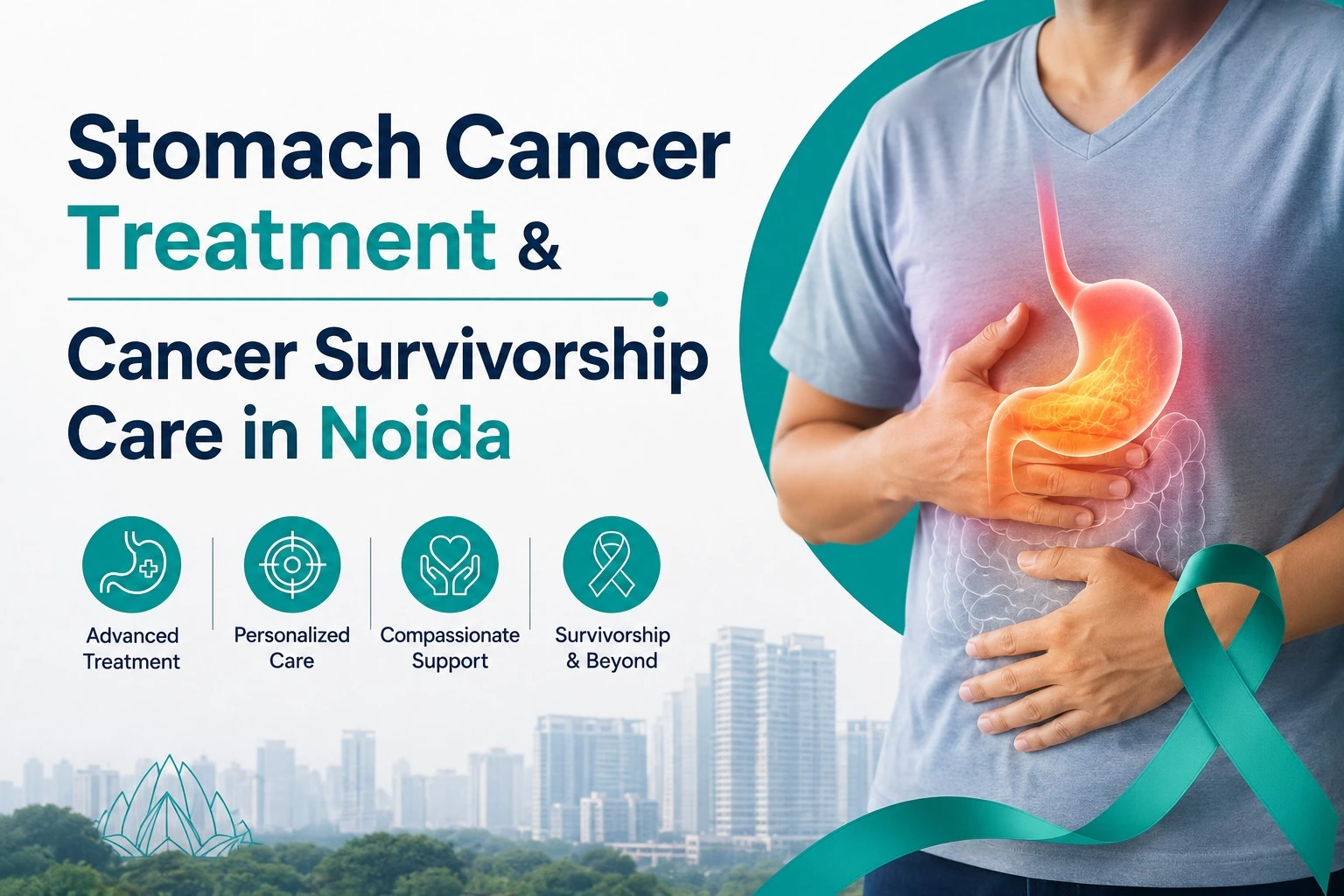
Cancer survivorship care in Noida focuses on helping patients regain their health after treatment and maintain a good quality of life.
It includes:
- Regular follow-up appointments
- Monitoring for cancer recurrence
- Managing long-term side effects
- Emotional counselling
- Nutritional guidance
- Physical rehabilitation
- Lifestyle modification
- Preventive health screenings
The goal is not only survival but also helping patients return to a healthy and fulfilling life.
Components of Cancer Survivorship Care
Regular Monitoring
Routine scans and blood tests help detect recurrence early.
Nutrition Counselling
A balanced diet supports healing, strengthens immunity and improves energy levels.
Physical Rehabilitation
Exercise programmes help rebuild strength, reduce fatigue and improve mobility.
Psychological Support
Counselling helps patients manage anxiety, depression and emotional challenges.
Pain Management
Specialists address chronic pain or discomfort caused by treatment.
Lifestyle Guidance
Patients receive advice on:
- Healthy eating
- Exercise
- Weight management
- Smoking cessation
- Limiting alcohol intake
- Stress management
Nutrition After Stomach Cancer Treatment
Following stomach surgery or chemotherapy, patients may need dietary adjustments.
Recommended habits include:
- Eating small, frequent meals
- Choosing protein-rich foods
- Staying hydrated
- Including fruits and vegetables
- Avoiding processed foods
- Limiting sugary beverages
- Taking supplements if advised
A personalised nutrition plan can significantly improve recovery.
Reducing the Risk of Cancer Recurrence
While recurrence cannot always be prevented, healthy habits can lower the risk.
These include:
- Keeping follow-up appointments
- Maintaining a healthy weight
- Staying physically active
- Eating a nutritious diet
- Avoiding tobacco
- Limiting alcohol
- Managing stress
- Taking prescribed medications regularly
Why Early Diagnosis Matters
Early-stage stomach cancer has a much higher chance of successful treatment.
Benefits include:
- Better survival rates
- Less extensive surgery
- Lower treatment complications
- Faster recovery
- Improved quality of life
Never ignore persistent digestive symptoms.
Why Choose Dr. Manish Singhal for Stomach Cancer Treatment in Noida?
When dealing with cancer, choosing an experienced specialist can make a significant difference in treatment outcomes and overall patient experience. Dr. Manish Singhal provides comprehensive cancer care with a patient-first approach that focuses on accurate diagnosis, evidence-based treatment and compassionate support throughout the journey.
Patients benefit from:
- Expertise in gastrointestinal cancer management
- Personalised treatment planning
- Multidisciplinary cancer care
- Advanced surgical and medical oncology approaches
- Guidance for targeted therapy and immunotherapy
- Comprehensive cancer survivorship care in Noida
- Long-term follow-up and recurrence monitoring
- Compassionate care for patients and families
From diagnosis to recovery, every stage of treatment is carefully planned to ensure the best possible outcomes.
Conclusion
A diagnosis of stomach cancer can feel overwhelming, but with early detection, advanced treatment options and dedicated follow-up care, many patients go on to live healthy and fulfilling lives. Modern oncology focuses not only on treating cancer but also on improving long-term quality of life through comprehensive survivorship care.
If you or a loved one is experiencing persistent digestive symptoms or has been diagnosed with stomach cancer, seeking timely consultation with a in Noida is the first step toward effective treatment and recovery. With expert guidance, personalised care and continuous support, patients can navigate every stage of their cancer journey with greater confidence and hope.
Frequently Asked Questions (FAQs)
1. What are the early signs of stomach cancer?
Common early symptoms include persistent indigestion, stomach discomfort, bloating, loss of appetite, unexplained weight loss and feeling full quickly after eating.
2. Is stomach cancer curable?
Yes. When diagnosed in its early stages, stomach cancer can often be treated successfully with surgery, chemotherapy, targeted therapy or a combination of treatments.
3. What is cancer survivorship care?
Cancer survivorship care includes regular follow-up visits, recurrence monitoring, nutritional support, rehabilitation, emotional counselling and lifestyle guidance after cancer treatment.
4. Who should undergo screening for stomach cancer?
Individuals with a family history of stomach cancer, chronic H. pylori infection, persistent gastric symptoms or other high-risk factors should consult a specialist about screening.
5. How long is recovery after stomach cancer surgery?
Recovery varies depending on the type of surgery and overall health. Most patients gradually return to normal activities within several weeks, with ongoing nutritional and medical support.
6. Why should I choose Dr. Manish Singhal for stomach cancer treatment in Noida?
Dr. Manish Singhal offers personalised treatment plans, advanced cancer therapies, multidisciplinary care and comprehensive survivorship support to help patients achieve the best possible outcomes.